
 홈 > 뉴미디어대안영화제 홈 > 뉴미디어대안영화제 |
| 붉은 방 The Red Room |
 |
 |
 |
|||
 |
|
 |
|||
 |
 |
 |


X Program
- 서교예술실험센터 Seoul Art Space Seogyo
8.17 ~ 8.25, 11:00 - 19:00 (8.17, 8.25 17:00까지)
*도슨트 전시해설 : 일 2회 (오후2시, 4시)
Artist's Statement
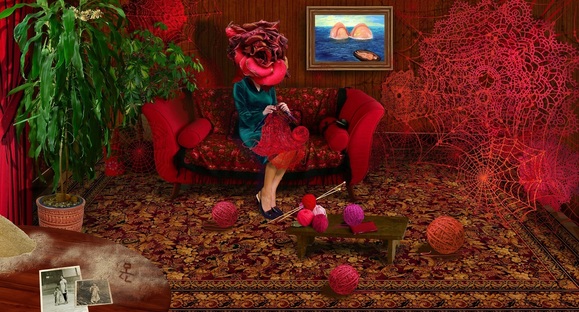
타인이 하는 말보다 그 사람이 거하는 방에 들어섰을 때 상대를 더 잘 이해할 수 있는 경우가 있다. 가령, 배치된 사물 하나하나, 그 방에서 풍기는 냄새와 분위기, 머무른 흔적들이 비언어적인 방식으로 그 사람을 드러낸다. 휴식, 잠, 출산, 욕망, 사랑, 명상 독서 등 존재의 무대로서 일어나는 수많은 일이 방에서 일어난다. 그렇기에 사적인 공간으로서의 방은 일종의 자화상이다. 칸트의 표현에 따르면 흘러가는 것은 시간이 아니라 사물들이다. 방은 공간과 시간의 관계를 구체화한다. 밀폐된 방은 마치 카메라 옵스큐라처럼 공간적인 정착을 은밀하게 담고서 한 자아의 정치구조를 드러낸다. 어쩌면 삶이란 방에서 방으로 이동하는 것이 아닌가 하는 생각을 한다.
Sometimes you can understand a person better by the interior of their home, than by their words and deeds. Each object, the smell and atmosphere of the room, and the traces of it, reveal the person in a non-verbal way. Many things happen in the room like rest, sleep, birth, desire, love, meditation, reading, and so on. Therefore, a room as a private space is a kind of self-portrait. According to Kant, time is an unchanging concept in which things are changing. The room embodies the relationship between space and time. Like a camera obscura, the enclosed room reveals the social structure of one's self by unconsciously embracing the spatial residency. Life is moving from room to room.
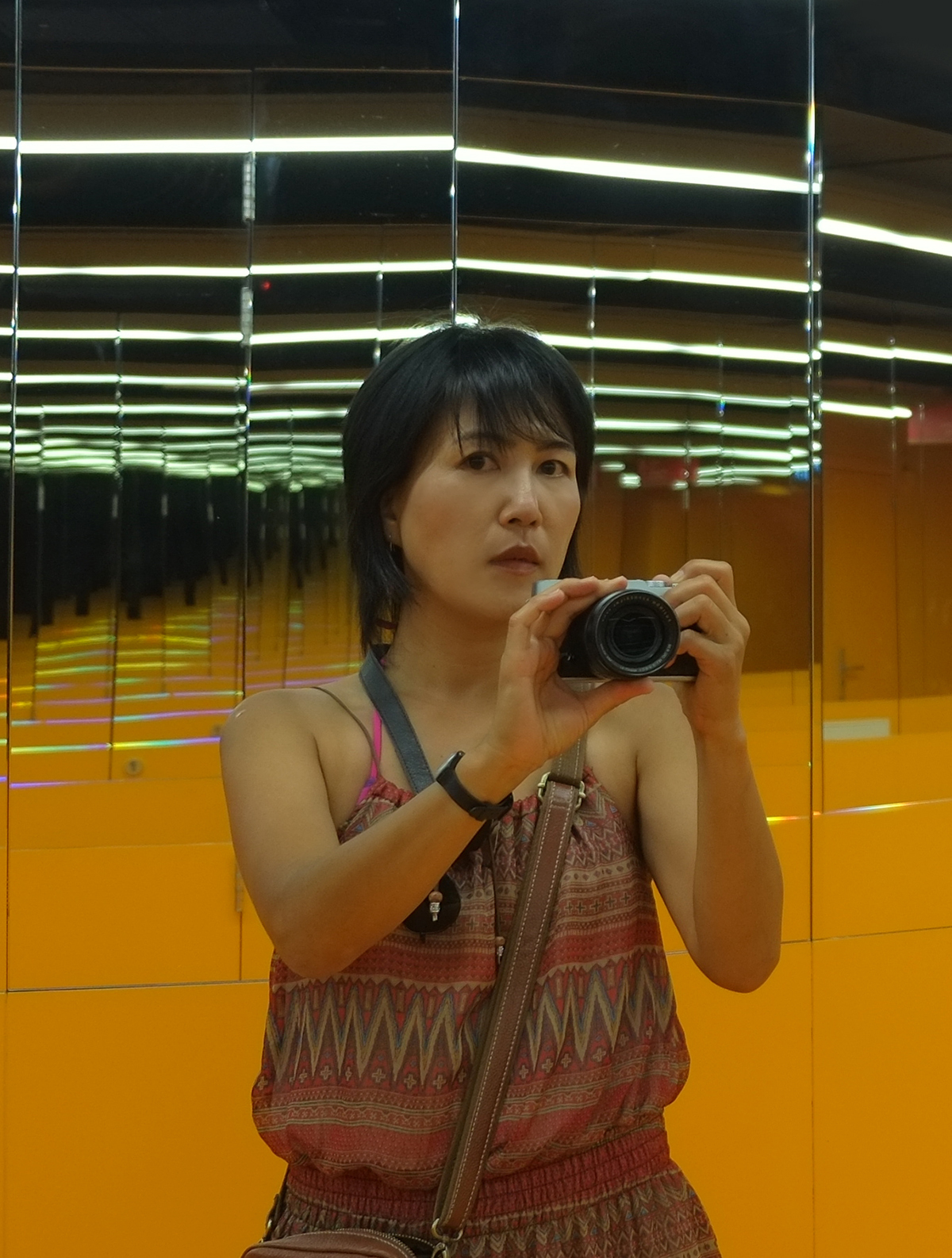 |
정희정 정희정은 전주대에서 회화를 전공하고, 디지털미디어디자인으로 홍익대학교IDAS에서 석사를 졸업했다. 페인팅, 사진, 영상을 주로 다루는 비주얼 아티스트로서 풍경, 장소성, 꿈 등 다양한 측면에서 현대의 일상성에 대한 관심을 표현해 오고 있다. |
JEONG Heejeong JEONG Heejeong majored in painting at Jeonju University and graduated from IDAS at Hongik University in digital media design. She is a visual artist who mainly deals with painting, photography and video. She expresses her interest in contemporary daily life in various aspects such as landscapes, placeness, and dreams. |